

The new Papillon series from Honbo Shuzo has arrived! Mars Malt Le Papillon Triple Cask“Nymphalis antiopa”The radiance of a single butterfly, brought to life by three barrels.
With its beautiful label featuring a photograph of a butterfly, many whisky enthusiasts are likely familiar with it.
The “Mars Malt Le Papillon” series has seen many varieties released to date.
This series is released twice a year, and the chance to purchase it comes through a lottery system.
This Triple Cask edition is limited to 842 bottles. It is an extremely rare gem—a triple-cask single malt whisky created by blending malt spirits distilled at the Mars Komagatake Distillery and matured in French oak barrels.
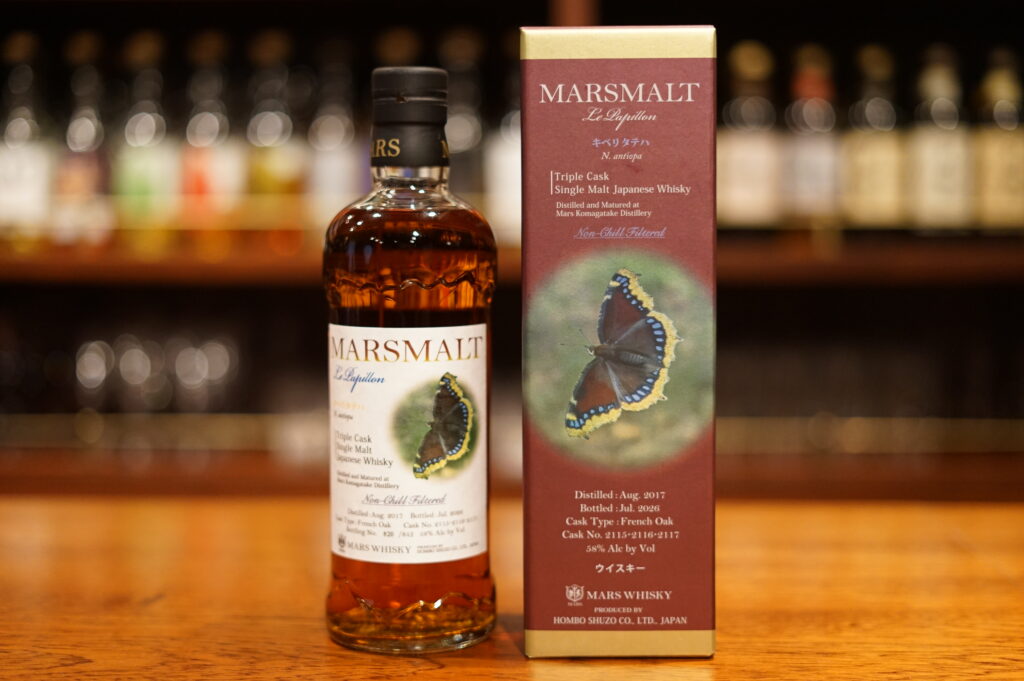
1. Photos of the bottle and label
MARS MALT Le Papillon Triple Cask “Nymphalis antiopa”
MARS MALT Le Papillon Triple Cask “Nymphalis antiopa”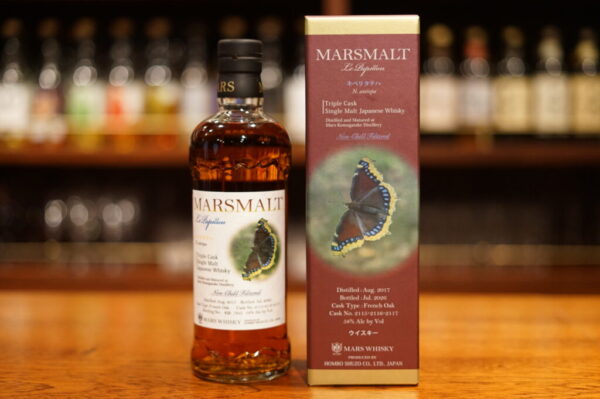
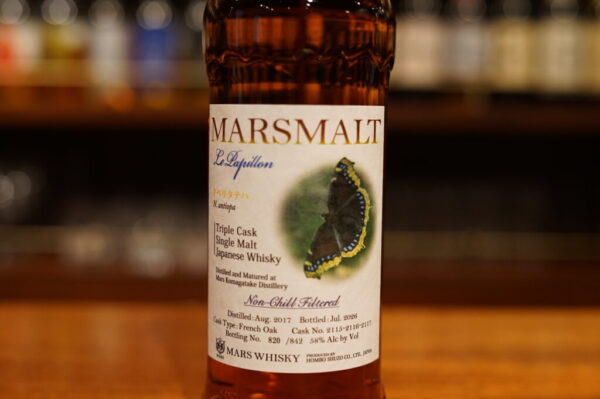
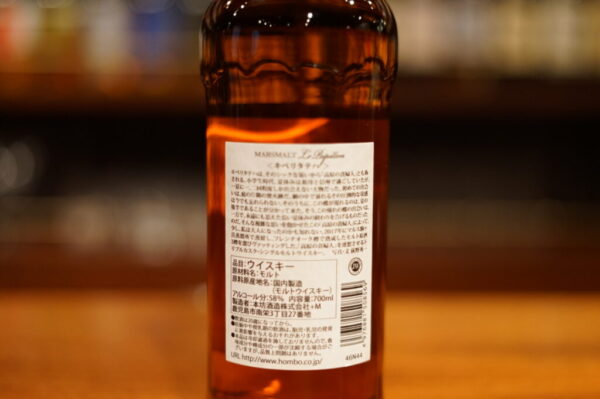
2. Features of MARS MALT Le Papillon Triple Cask “Nymphalis antiopa”
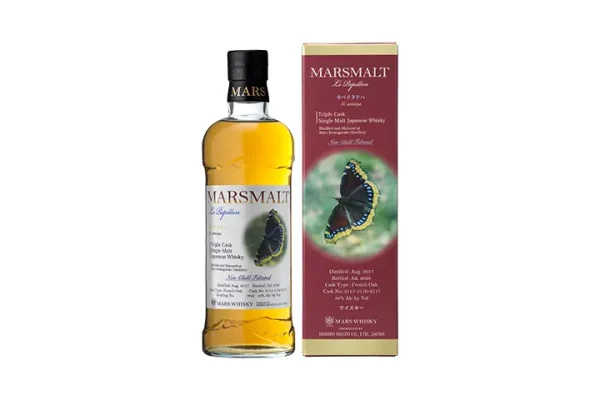
This release is the 22nd in the Le Papillon series. It is made from spirit distilled in August 2017 at the Mars Komagatake Distillery and aged in French oak barrels. It is a blend of three barrels.
[What Are French Oak Barrels?]
French oak barrels are wooden barrels made from French oak. They have been used for a long time, particularly in the wine industry, and are famous as barrels for aging wine in regions such as Burgundy and Bordeaux in France.
In the world of whisky, they are used less frequently than Bourbon barrels, making them a rare type of cask.
The “Mars malt Le Papillon” series uses butterflies native to Japan as motifs to express the splendor of the natural environment and the climate and terrain of Japan’s four seasons, which shape the whisky’s aging environment.
The motif is the “Nymphalis antiopa,” which inhabits broadleaf forests on Honshu primarily at elevations of 1,500 to 2,500 meters. Its wings are edged in yellow on the outside, with rows of lapis-blue markings on the inside; it is also known as the “Lady of the Highlands.”This exquisite triple-cask single malt whisky is a blend of malt spirits distilled at the Mars Komagatake Distillery and matured in French oak barrels.Source: Hombo Shuzo Official Website
2-1. Tasting Notes
| Aroma | Dry charcoal, incense, dried fruit, burnt caramel |
| Taste | Subtly sweet amber candy, burnt vanilla, white pepper |
| Finish | Bitter woody notes and spices linger, with a vanilla finish |
2-2. Product Specifications
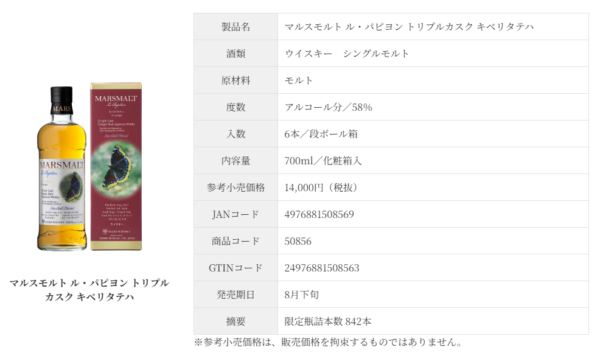
| Alcohol Content | 58% |
| Category | Single Malt Japanese whisky |
| Barrel Type | French oak casks |
| Volume | 700 ml |
| Number of Bottles Sold | 842 bottles |
| Suggested Retail Price | 15,400 yen (tax included) |
| Release Date | Late August 2026 |
3. Awards
No awards have been received to date.
4. List Price and Online Prices
4-1. Manufacturer’s Suggested Retail Price
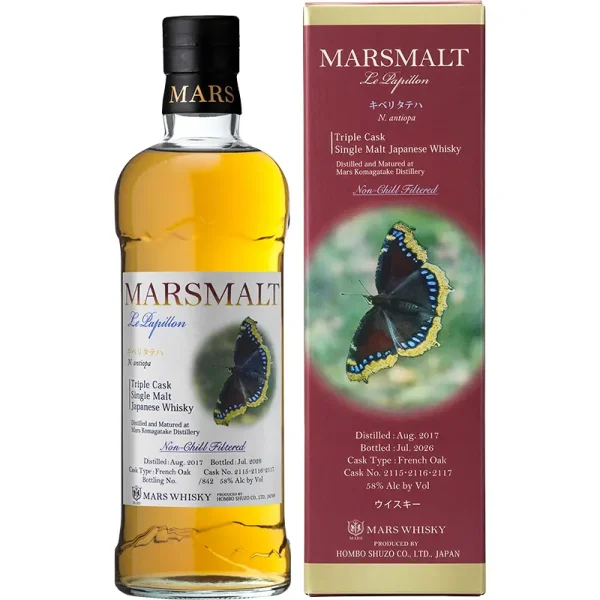
| Product Name | Marsmalt Le Papillon Triple Cask “Nymphalis antiopa” |
| Volume | 700 ml |
| Suggested Retail Price | 15,400 yen (tax included) |
4-2. Resale Price on Mercari
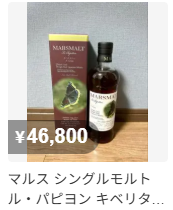
The resale price on Mercari was confirmed to be 46,800yen. (*As of September 1, 2026)
4-3. Winning Bid Price on Yahoo! Auctions
No listings were found on Yahoo! Auctions. (As of September 1, 2026)
4-4. Rakuten, Yahoo! Shopping, and Amazon
The item is not currently listed on these online shopping sites. (As of September 1, 2026)
4-5. Prices at BAR Shinkai
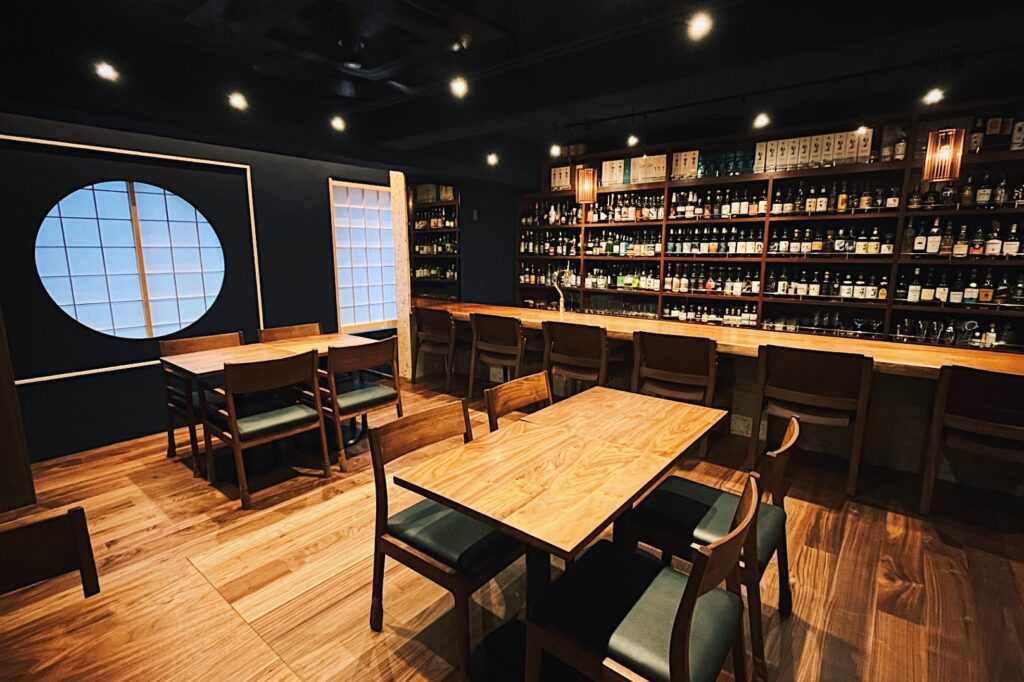
At “BAR Shinkai,” operated by this website, we offer even small portions, such as 45ml for 4,620 yen, 30ml for 3,080 yen, and 15ml for 1,540 yen.

5. About the Mars Malt Le Papillon Series
The “Mars Malt Le Papillon” series expresses the splendor of Japan’s natural environment—specifically, the climate and seasonal changes that shape the aging conditions of whisky—using butterflies native to Japan as motifs.
| No | Product Name | Cask | Number of Bottles | Price (Tax Included) |
| Part 1 | Shijimiaeoides divinus | American White Oak | 599 bottles | 10,450 yen |
| Part 2 | Graphium sarpedon | Bourbon Barrel | 215 bottles | 9,900 yen |
| Part 3 | Aporia hippia | American white oak | 585 pieces | 9,900 yen |
| Part 4 | Hebomoia glaucippe | Bourbon Barrel | 182 bottles | 12,100 yen |
| Part 5 | Papilio maackii *[WWA Gold Award]* |
American White Oak | 560 sticks | 11,000 yen |
| Part 6 | Cyrestis thyodamas mabella | Sherry Cask | 464 bottles | 11,000 yen |
| Part 7 | Luehdorfia japonica | American White Oak | 576 pieces | 13,200 yen |
| Part 8 | Acytolepis puspa | Bourbon Barrel | 469 bottles | 12,100 yen |
| Part 9 | Anthocharis cardamines | Sherry casks | 643 | 12,100 yen |
| Part 10 | Inachis io *[ WWACategory Winner ]* |
Sherry Bat | 635 bottles | 12,100 yen |
| Part 11 | Papilio helenus | Bourbon Barrel | 433 bottles | 11,000 yen |
| Part 12 | Mars Malt Le Papillon Takahide Komatsu Edition | American White Oak | 365 bottles | 297,000 yen |
| Part 13 | Chrysozephyrus brillantinus | Umeshu Barrel | 567 bottles | 13,200 yen |
| Part 14 | Leptidea amurensis | Bourbon Sakura Head Cask | 567 bottles | 12,100 yen |
| Part 15 | Lycaeides argyrognomon | Sherry Cask | 818 bottles | 14,300 yen |
| Part 16 | Papilio memnon | Sherry Cask | 621 bottles | 15,400 yen |
| Part 17 | Panchala ganesa | Bourbon Barrel | 578 bottles | 15,400 yen |
| Part 18 | Colias palaeno | Bourbon Barrel | 806 bottles | 15,400 yen |
| Part 19 | Papilio xuthus | Port & Marsala | 651 bottles | 15,400 yen |
| Part 20 | Erebia neriene | Red Wine Cask | 717 bottles | 15,400 yen |
| Part 21 | Papilio ryukyuensis | Heavily Peated Bourbon Barrel | 508 bottles | 15,400 yen |
| Part 22 | Nymphalis antiopa | French Oak Barrel | 842 bottles | 15,400 yen |
Since all bottles in this series are bottled in small batches, the limited production runs are very small each time, making this one of the rarest Japanese whiskies.
Click here for product details and past series
5. About the Distillery
Hombo Shuzo Co., Ltd.
| Established | 1872 |
| Headquarters Address | 3-27 Minami Sakae, Kagoshima City, Kagoshima Prefecture 891-0122 |
| Distilleries Owned | Mars Shinshu Distillery, Mars Komagatake Distillery |
6. About the Distilleries
Mars Komagatake Distillery
The distillery is the “Mars Shinshu Distillery,” located in Miyatamura, Nagano Prefecture.
As of March 2024, the name has been changed to [Komagatake Distillery].
| Address | 4752-31 Miyatamura, Kamiina -gun, Nagano Prefecture 399-4301 |
| Start of Operations | 1985 |
In 1949, Hombo Shuzo—which had been dedicated to producing the Japanese distilled spirit “shochu” in Kagoshima—obtained a license to produce whisky. Since then, the company has held onto the dream of “one day creating authentic whisky that makes the most of Japan’s climate and terroir.”
A few years after beginning whisky production in Kagoshima, the company established “Mars Yamanashi Winery” in Yamanashi in 1960 as a facility for producing both wine and whisky. Then, in order to fully dedicate itself to whisky production, the company set out to find an even more ideal location.
The natural conditions required for whisky production are extremely demanding: the region must be a cold area with crisp, clear air, moderate humidity, and high-quality water.
In search of a location that met these conditions, Mars Shinshu Distillery was established in 1985 at an elevation of 798 meters at the foot of Mount Komagatake in the Central Alps of Nagano Prefecture—an environment ideal for whisky production.
In 1992, distillation was suspended due to sluggish demand for whisky . Later, as Japanese whisky began to gain recognition worldwide and demand for whisky showed signs of recovery , we decided to resume distillation in 2009 and restarted operations in February 2011.
In September 2020, the distillery underwent a complete renovation for the first time in 35 years, with an investment of approximately 1.2 billion yen.
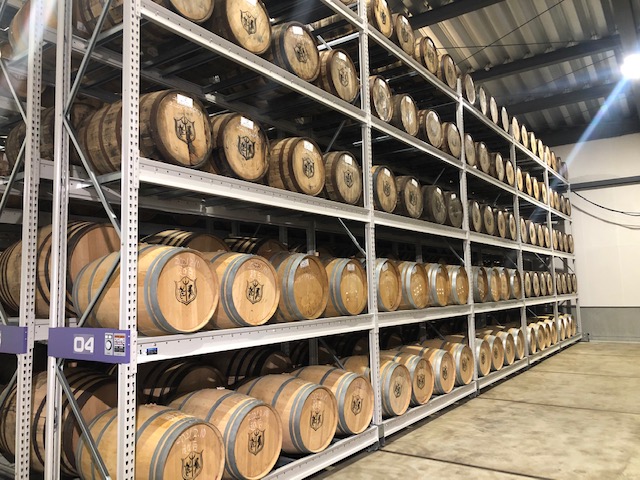
Starting in May 2019, with the goal of renovating aging equipment, expanding barrel storage facilities to accommodate increased whisky production, and providing tours of the whisky-making process, the distillery built a new whisky distillation building (including the barrel storage facility) and a visitor center for the sale of original whiskys and merchandise.and existing equipment and facilities were renovated.
The newly constructed whisky distillery building covers 1,996 square meters (gross floor area, including a barrel storage facility designed to hold approximately 2,500 barrels), while the visitor center covers 746 square meters.
Source: Hombo Shuzo Official Website
■ Production Capacity: 1.1 metric tons of malt per day
■ Raw Spirit Production: Approx. 700 L/day, approx. 185 KL/year (planned for FY 2020)
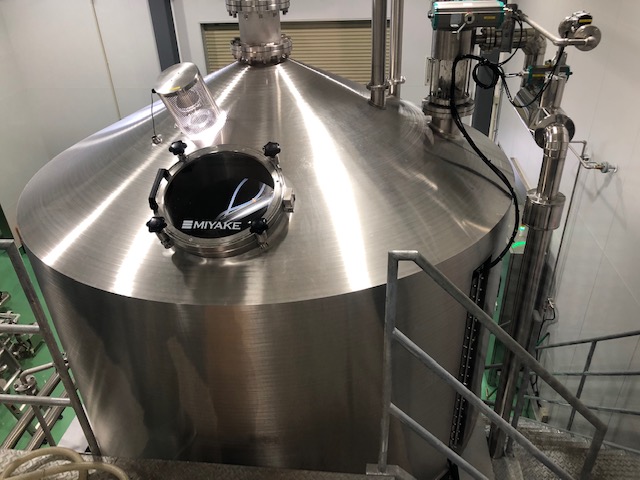
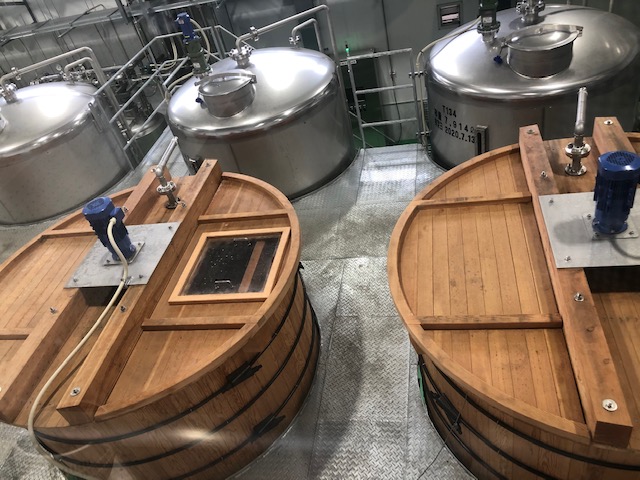
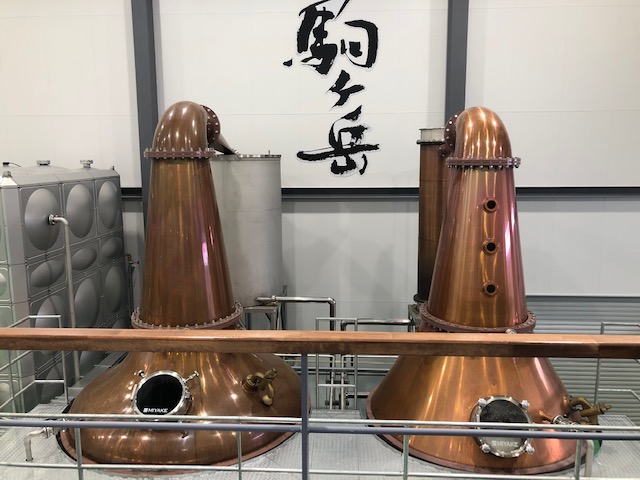
■ Major Equipment: 1 malt mill, 1 6 KL Mash tan roitel (saccharification tank), 3 6 KL stainless steel fermentation tanks, 3 6 KL Douglas fir fermentation tanks (relocated), first distillation still (relocated)
 |
 |
 |
 |
Please also see the information on the Mars Komagatake Distillery below ↓.

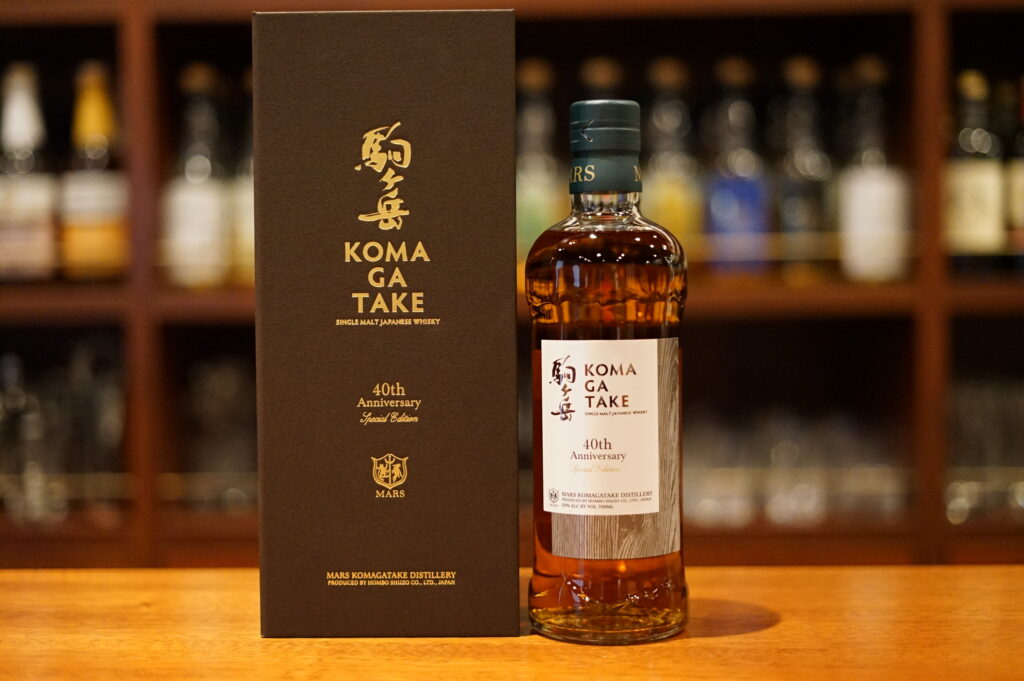
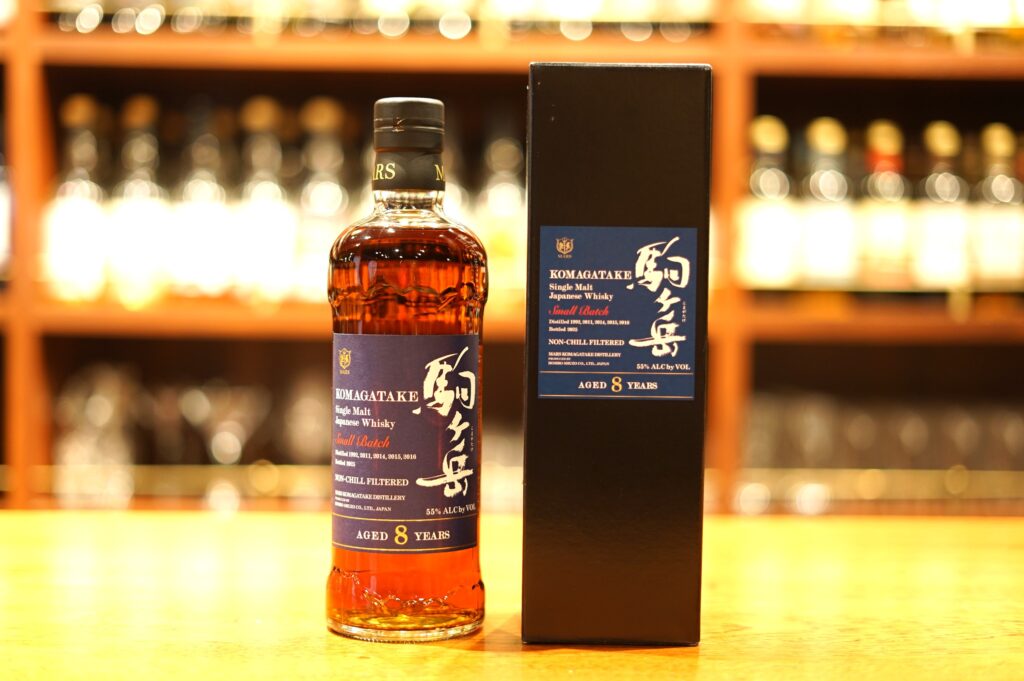
■ Be sure to check out other review articles about “Komagatake” as well.
7. Summary
The 22nd release in Hombo Shuzo’s Papillon series, “Nymphalis antiopa,” is a triple-cask blend of malt spirits distilled at the Mars Komagatake Distillery and aged in French oak barrels—a rare gem within the series.
The triple-cask composition using French oak barrels results in a whisky that does not emphasize sweetness but instead creates a complex depth reminiscent of dry charcoal and burnt caramel.
Prices on the secondary market are consistently soaring, a testament to its rarity and the large following it has garnered for its flavor profile.
With its robust character and bittersweet flavor—evoking the image of a butterfly flying powerfully and gracefully across a highland meadow—this is a whisky you simply must try at least once.
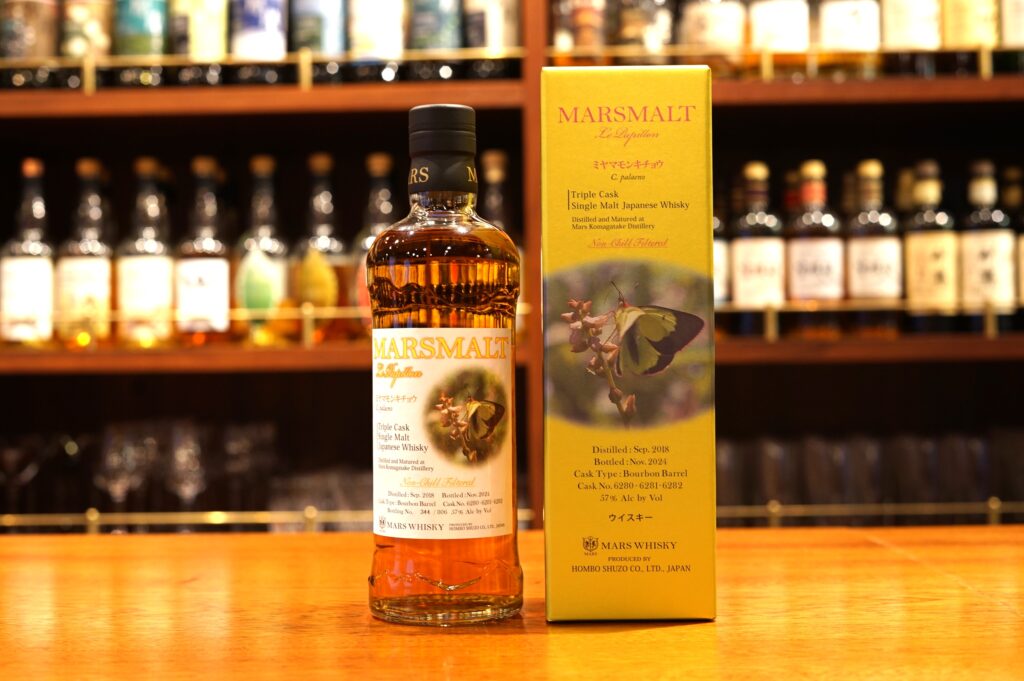
Be sure to check out our other articles on Hombo Shuzo’s Papillon Series.
 ポチップ
ポチップ

Lastly: Recommended Books on Japanese Whisky
If you want to learn more about Japanese whisky, which is a global trend, we highly recommend these books.
(1).Whisky Galore Vol.29 December 2021 issue
In the December 2021 issue of Whisky Galore, published by the Whisky Culture Research Institute, we report on 11 Japanese craft distilleries, including some that are open to the public for the first time, under the title of “Japanese Whisky Craft Frontline,” the first of three consecutive issues. Why did the popularity of Japanese whisky and the craft boom occur? We will examine with interviews. Chichibu Distillery / Chichibu No.2 Distillery / Mars Shinshu Distillery / Mars Tsunuki Distillery / Kanosuke Distillery / Hioki Distillery / Ontake Distillery / Osuzuyama Distillery / Kaikyo Distillery / Hanyu Distillery / Konosu Distillery

(2). Japanese Whisky as an Education for Business
This is a book written by Mamoru Tsuchiya, a world-famous whisky critic and representative of the Whisky Culture Research Institute, titled “Japanese Whisky as a Culture that Works for Business” .
The book covers the basics of whisky, the introduction of whisky to Japan, the birth of Japanese whisky, advertising strategies and the rise of Japanese whisky, and the current rise of craft distilleries. This is a book that summarizes Japanese whisky in a very easy to understand way.

(3). Whisky and I (Masataka Taketsuru)
Masataka Taketsuru, the founder of Nikka Whisky, devoted his life to brewing whisky in Japan. This is a revised and reprinted version of the autobiography of a man who simply loved whisky and talked about himself. The book vividly depicts the days when he went to Scotland alone to study as a young man and overcame many hardships to complete Japanese whisky, as well as his companion, Rita.
(4). A Letter of Challenge from a New Generation Distillery
Launching in 2019. With the world experiencing an unprecedented whisky boom, what were the managers of craft distilleries thinking and what were their thoughts as they took on the challenge of making whisky? This book tells the stories of 13 craft distillery owners, including Ichiro Hido of Venture Whisky, famous for his Ichirose Malt, who inspired the birth of craft distilleries in Japan.
(5). Whiskey Rising
This is the Japanese version of Whisky Risng, published in the US in 2016, with much updated content. Not only does it describe the history of Japanese whisky in detail, but it also includes data on all the distilleries in Japan, including the craft distilleries that have been founded in recent years. The book also includes descriptions of the legendary bottles that have been released, as well as information on bars where Japanese whisky can be found.